Rock and roll is a genre of music that emerged as a defined musical style in the American South in the 1950s, and quickly spread to the rest of the country, and the world. It later evolved into the various different sub-genres of what is now called simply “rock”.
This list is a collection of the top ten rock bands of all time. This includes bands that can be categorized as rock and roll, hard rock, southern rock, metal, punk and just about any other genre that has evolved from 50’s rock and roll.
3. Queen are a British rock band formed in London in 1970. Their classic line-up was Freddie Mercury (lead vocals and piano), Brian May (lead guitar and vocals), Roger Taylor (drums and vocals), and John Deacon (bass guitar). Their earliest works were influenced by progressive rock, hard rock and heavy metal, but the band gradually ventured into more conventional and radio-friendly works by incorporating further styles, such as arena rock and pop rock.
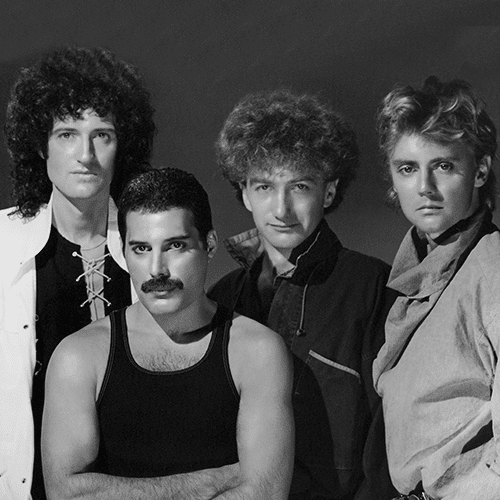
2. Led Zeppelin were an English rock band formed in London in 1968. The group consisted of guitarist Jimmy Page, singer Robert Plant, bassist/keyboardist John Paul Jones, and drummer John Bonham. The band’s heavy, guitar-driven sound has led them to be cited as one of the progenitors of heavy metal. Their style drew from a wide variety of influences, including blues, psychedelia, and folk music.

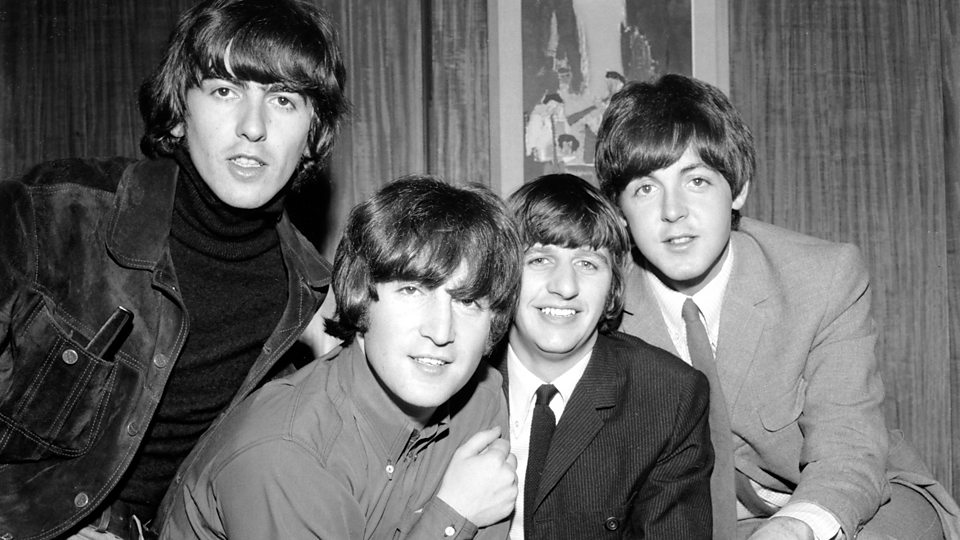
- The Beatles were an English rock band formed in Liverpool in 1960. With members John Lennon, Paul McCartney, George Harrison and Ringo Starr, they became regarded as the foremost and most influential music band in history. Rooted in skiffle, beat and 1950s rock and roll, the group were integral to pop music’s evolution into an art form and to the development of the counterculture of the 1960s. They often incorporated classical elements, older pop forms and unconventional recording techniques in innovative ways, and later experimented with several musical styles ranging from pop ballads and Indian music to psychedelia and hard rock. As the members continued to draw influences from a variety of cultural sources, their musical and lyrical sophistication grew, and they were seen as an embodiment of the era’s sociocultural movements.

 Rocky Music